
Solar PV & batteries
Make your own electricity, and keep it for the evening
Solar panels on the roof, built into it, or on a frame in a field — with a battery so the power you make during the day runs the house after dark. We design it, install it, deal with the network operator and register it.
Why solar PV
Reliable, quiet and clean
- Reliable. Tried and tested, with no moving parts — so very little maintenance, and silent in use.
- Cost effective. Solar panels have come down a lot in price over the years, so they're still a sound investment — and every unit you make and use yourself is one you don't have to buy.
- Clean. Free energy from the sun, with no fuel costs and no emissions once it's installed.
Electricity prices have risen sharply over the last few years. Making your own is one of the best ways to protect yourself from future rises.
On a sunny day your panels cut the electricity you buy. When they make more than the house needs, the surplus goes into a battery if you have one, and then out to the grid — where you can be paid for it.
Solar pairs especially well with a heat pump: the panels help power the heat pump and heat your hot water.
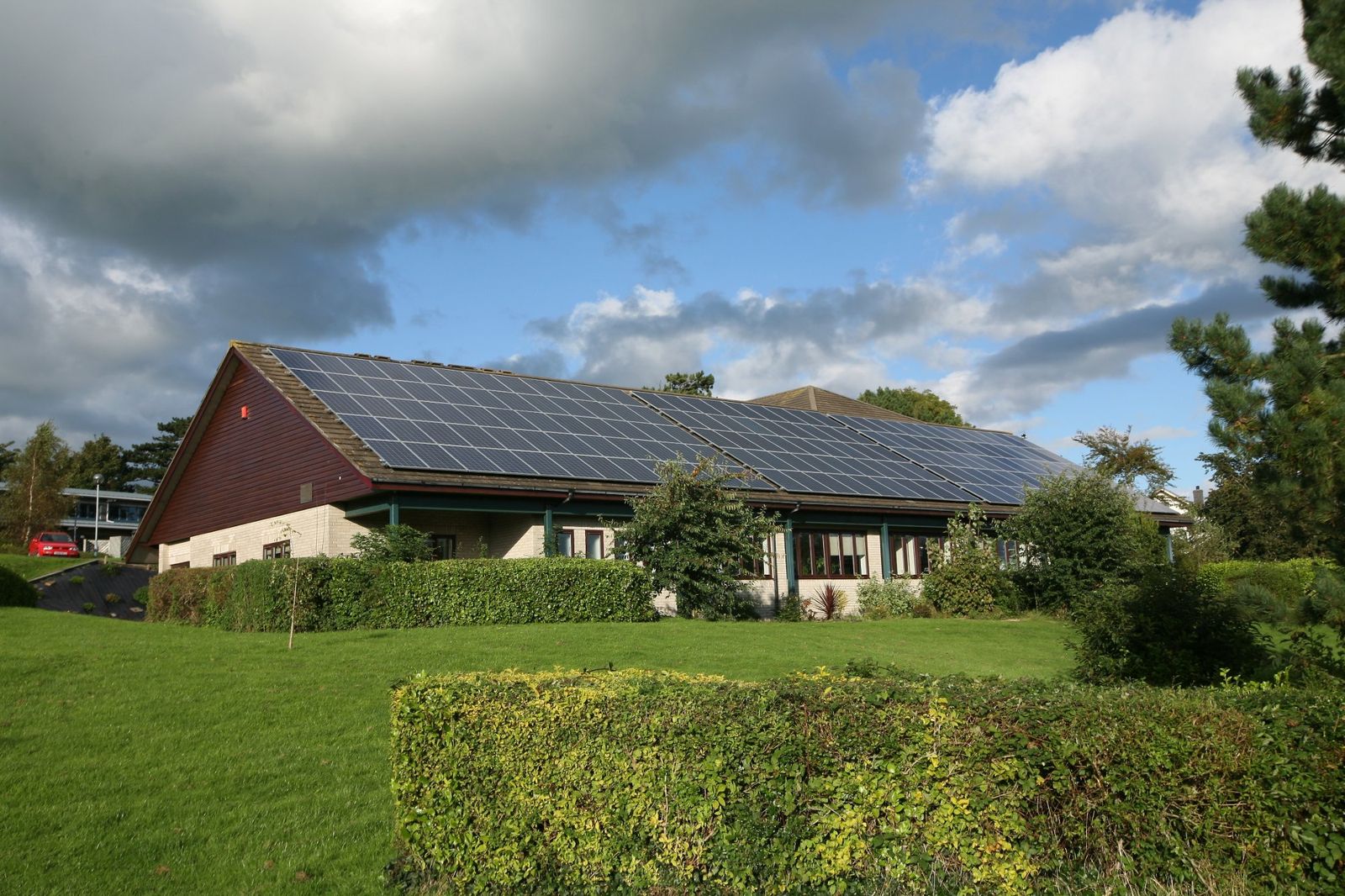
Solar panels
How the panels work
Solar PV (photovoltaic) panels are made of silicon cells that turn daylight directly into electricity. The cells are wired together and sealed behind glass to make a panel.
Panels are rated in watts peak (Wp) — their output in full sun under standard test conditions. A system's size is quoted in kilowatts peak (kWp). Real-world output is usually a bit lower than the rating, and it depends on the roof's direction, pitch and any shading, which we assess at the survey.
We fit modern high-efficiency panels from established manufacturers, chosen to suit the roof and the look you want.
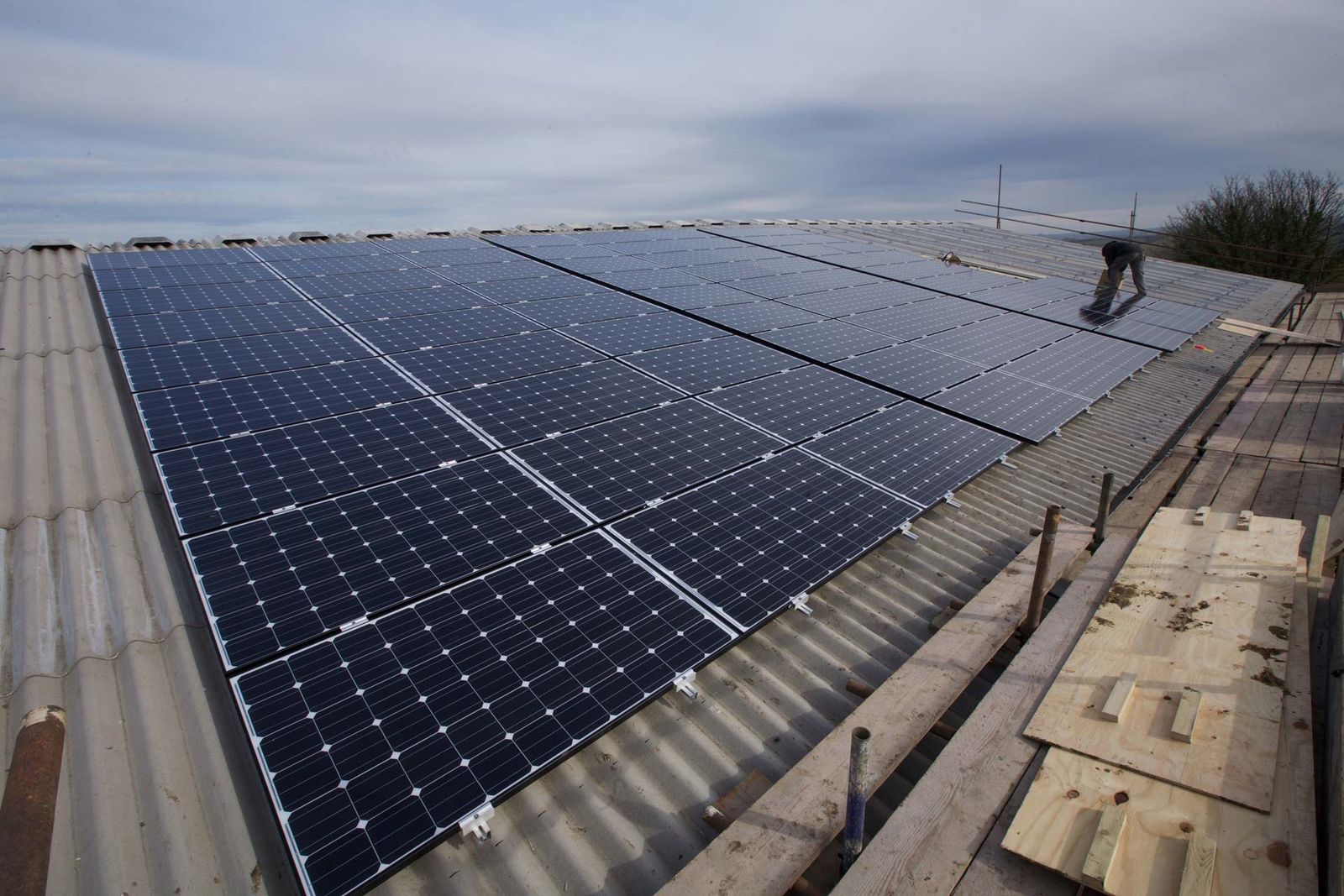
Mounting systems
Roof, in-roof or ground-mounted
We've worked with all the common roof constructions and materials on homes, farms and commercial buildings, and we build ground-mounted arrays on farmland too.
On the roof
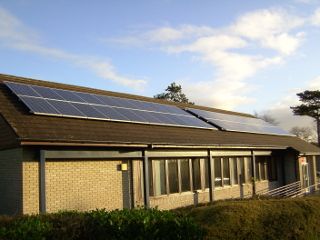
Panels fixed on rails above the existing tiles or slates. The most common and usually the most affordable option.
In-roof
Panels built into the roof in place of tiles or slates, sitting flush for a neater look. Often a good choice when the roof is being redone anyway.
Ground-mounted
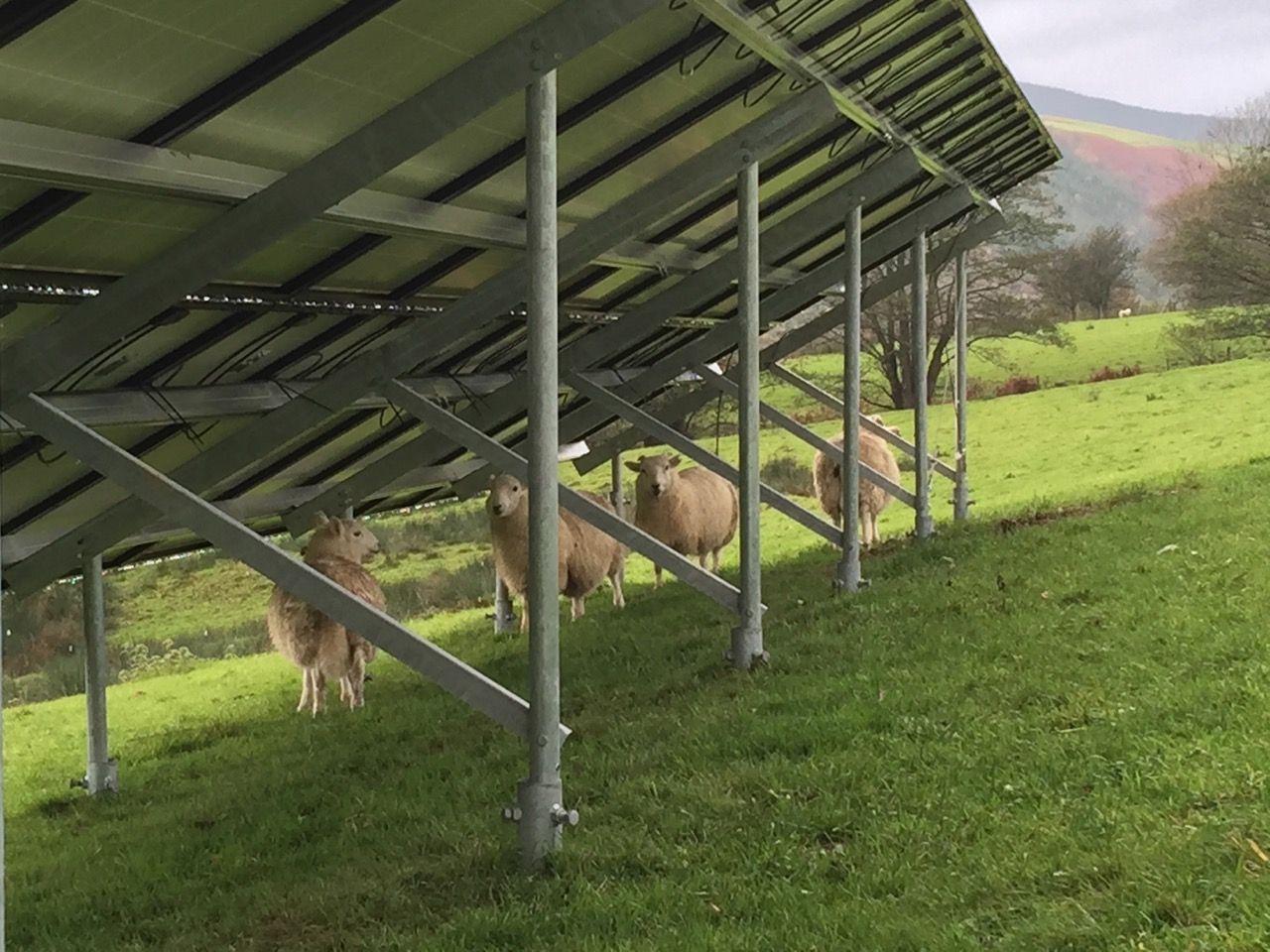
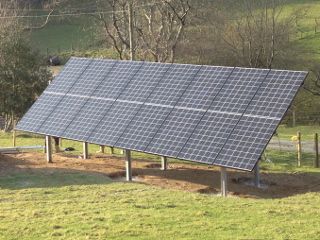
A frame in a field or garden, facing the right way at the right angle. Ideal when the roof is shaded, faces the wrong way or isn't big enough — and sheep can still graze underneath.
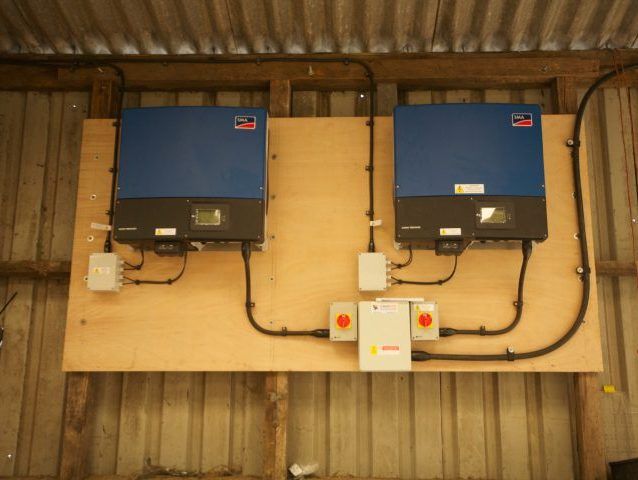
Inverters & monitoring
The heart of the system
Panels make direct current (DC). An inverter converts it to mains-voltage alternating current (AC), perfectly in step with the grid, and feeds it into your consumer unit. The house uses the solar power first; any surplus goes to the battery or the grid.
The inverter also keeps things safe, constantly monitoring the grid and switching off if there's a fault. Because it works hard every day for many years, we only fit inverters from manufacturers with a strong reputation and good UK support.
Every system we install includes monitoring, so you can see what you've generated, used and exported — usually in an app on your phone.
Battery storage
Use your sunshine after dark
Without a battery, whatever you don't use at the moment it's made is exported. A battery stores it for the evening instead, so you use more of your own power and buy less.
We're a Tesla Powerwall certified installer and fit the Tesla Powerwall 3 — compact, fitted indoors or out, and with its own built-in solar inverter. We can also install other AC- and DC-coupled batteries where they suit the job better, including adding a battery to an existing solar system.
A battery can also charge from the grid on a cheap overnight tariff, which works well alongside a heat pump.
Export & paperwork
We handle the forms
Network operator
We notify or apply to the local network operator (DNO) for permission to connect, as every grid-connected system needs.
MCS certificate
We register the system with MCS. You need the certificate to sign up to an export tariff under the Smart Export Guarantee.
Building regs & VAT
We self-certify the electrical work through NICEIC. Solar panels and batteries for homes currently carry 0% VAT (until 31 March 2027).
Solar projects
Some of our solar jobs
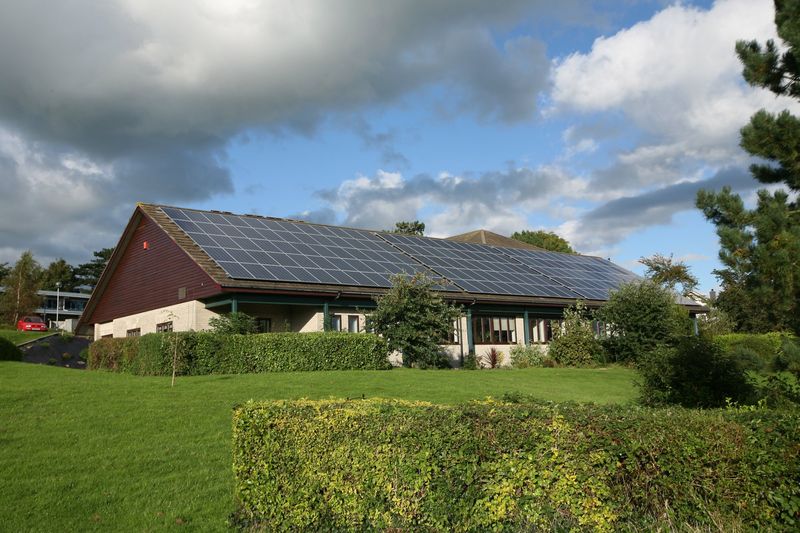
Want to know what your roof could do?
Call, WhatsApp or email — or get an instant heat pump estimate online. We'll get back to you within one working day. No pushy sales calls.